
The allure of uncertainty
At the core of our fascination with casinos lies the intrinsic thrill of uncertainty. Humans are wired to seek out challenges and new experiences, and the environment of a casino amplifies this desire. With every spin of the roulette wheel or flip of a card, players confront the unknown, igniting excitement and adrenaline. This uncertainty creates a captivating atmosphere that not only encourages participation but also fosters a deeper emotional investment in the activities undertaken within the casino walls, including the popularity of online casino new zealand options. The unpredictability of outcomes can evoke a range of emotions, from hope to anxiety, further enhancing the overall experience.
The unpredictability of outcomes is a crucial element in why people flock to gambling establishments. Research in behavioral psychology has shown that uncertainty can lead to what is known as “variable reward schedules.” Unlike predictable outcomes, variable rewards keep players engaged, as each attempt brings with it the possibility of a significant win. This anticipation of a potential reward triggers the brain’s pleasure centers, creating a compelling reason to return time and time again. The very act of gambling transforms into an exhilarating game of chance, where the stakes are ever-changing, and the excitement is palpable.
These uncertain outcomes tap into the human psyche’s love for challenge and risk-taking. In our daily lives, well-established routines can become monotonous. The casino experience offers an escape from that routine, providing a platform where individuals can embrace risks and revel in the thrill of the gamble. For many, this escape is not just enjoyable but essential for maintaining a sense of vitality and excitement in life. The allure of the unknown is not merely an attraction to the games themselves but also a deeper yearning for the unpredictability that life often lacks.
The thrill of winning
The dopamine rush associated with winning is another psychological factor that contributes to the allure of casinos. Winning—be it a small prize or a jackpot—activates the brain’s reward pathways, leading to feelings of euphoria and excitement. This biochemical response plays a significant role in reinforcing gambling behavior, as players become conditioned to associate the act of playing with pleasurable outcomes. As they continue to win, they develop an even stronger emotional connection to the games. The anticipation of winning creates an exhilarating roller coaster of emotions, which can be both addictive and captivating.
Moreover, the concept of “near-misses” in gambling has been shown to enhance the thrill of the experience. When players come close to winning, even if they do not achieve the desired outcome, it can strengthen their resolve to continue playing. This phenomenon is not only psychologically compelling but also serves as a strategic design element in casinos that encourages prolonged gaming sessions. The excitement generated by near-misses creates a powerful feedback loop that captivates players, as they believe they are on the verge of success, motivating them to continue taking risks.

Importantly, the thrill of winning extends beyond financial gains. For many, it’s about the sense of accomplishment and affirmation that comes from beating the odds. This psychological validation can boost self-esteem and create a sense of empowerment. Players may believe they possess skills or luck that enable them to succeed, fostering a personal narrative that enhances their overall experience in the casino environment. The connection between winning and self-worth is a potent factor that drives individuals back to the gaming tables, as they seek to replicate their victories and reinforce their identities as successful gamblers.
The role of social dynamics
Casinos are not just places for individual play; they foster a unique social environment that enhances the overall experience. Gambling is often a communal activity, and the social dynamics at play can significantly influence a person’s enjoyment and motivation. Group settings, such as poker tables or slot machines in close proximity, encourage camaraderie among players, making it a more engaging experience. This social interaction provides emotional support and shared excitement, often heightening the thrill of the game. The collective energy in a casino can elevate the stakes, making every win feel like a shared triumph.
Furthermore, social gambling can serve as a bonding experience between friends, family, and even strangers. The shared experience of winning or losing creates a sense of community that many find appealing. This social aspect can also make the stakes feel less personal, as players are buoyed by the enthusiasm of those around them. They may experience a heightened sense of confidence and enjoyment when surrounded by fellow gamblers, enhancing their desire to continue exploring the gaming options available. The dynamics of social interaction in casinos are integral to the overall appeal, as they cultivate a sense of belonging among players.
Moreover, influential factors such as peer pressure and the desire for social acceptance can also play roles in gambling behavior. The presence of friends who are enthusiastic about gaming can encourage individuals to join in, even if they initially had reservations. This social influence can lead to increased participation and spending, as players engage in behaviors they might not have considered alone. Ultimately, the social dynamics found in casinos are a vital component of their appeal, providing connections that enrich the gambling experience and create lasting memories.
The escape from reality
For many individuals, casinos represent a refuge from the stresses of everyday life. The vibrant atmosphere, filled with lights, sounds, and the buzz of excitement, creates a space where reality fades away. In this immersive environment, players can temporarily escape their worries, allowing them to immerse themselves completely in the thrill of gambling. This psychological phenomenon of escapism can be particularly appealing during challenging times, as players seek solace in the unpredictable and dynamic casino experience. The sensory overload becomes a distraction, allowing individuals to momentarily forget their troubles.
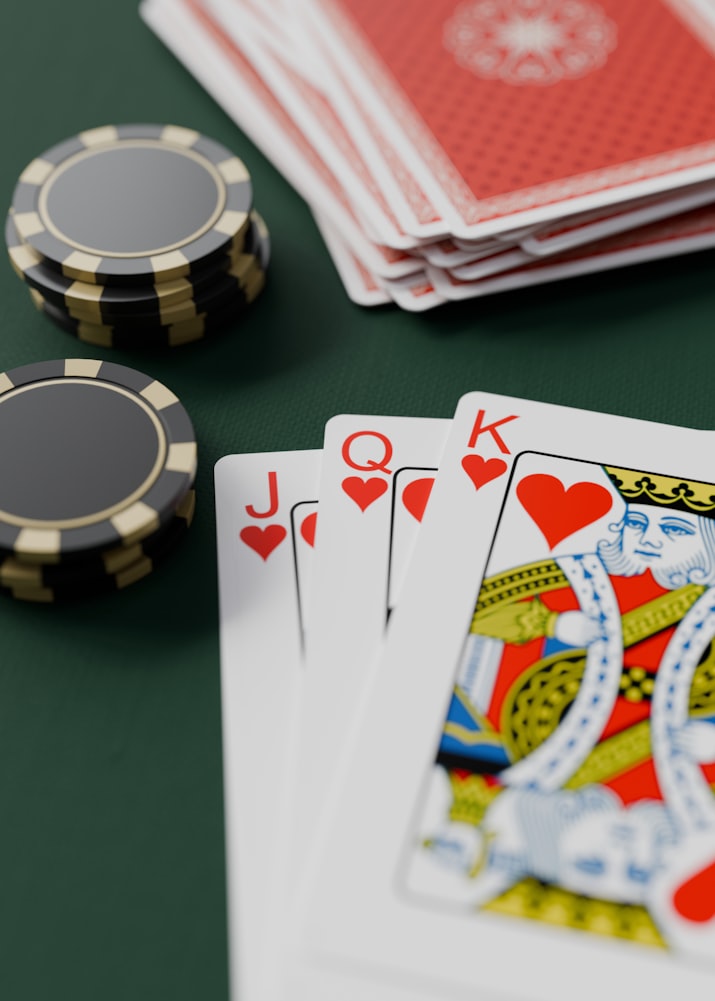
This desire to escape is often linked to the notion of fantasy. In a casino, the constraints of everyday life are lifted; individuals are free to dream about what they might do with their winnings. This fantasy element can be incredibly motivating, as it feeds into the human desire for wealth, success, and adventure. The allure of transforming one’s life with a lucky break can create a cycle of hope that drives people back to casinos, reinforcing their attachment to the experience. The prospect of a better future fuels the imagination, making the gambling experience more than just a game.
However, it is essential to recognize that this escape can have both positive and negative consequences. For many, it provides healthy relief from stress and a chance to rejuvenate their spirits. However, it can also lead to problematic behaviors if individuals begin to rely on gambling as their primary means of coping with life’s challenges. Understanding the role of escapism in the attraction to casinos highlights the complexity of human motivations and the need for balanced engagement with such environments. It is crucial for players to navigate this space thoughtfully, ensuring that their escapism remains a source of enjoyment rather than a path to addiction.
The online gaming landscape
The rise of online gaming has significantly altered the landscape of gambling, bringing with it new opportunities for engagement and risk. Digital platforms replicate many elements of traditional casinos while offering the convenience of playing from the comfort of one’s home. This shift has made gambling more accessible, especially for those who may feel intimidated by the atmosphere of a brick-and-mortar casino. The anonymity of online play can embolden individuals to try their luck without the perceived social pressures present in physical establishments. As a result, online gaming has attracted a diverse audience eager to explore the thrill of chance.
Moreover, online platforms have expanded the options available to players. With a plethora of games at their fingertips—ranging from slots to poker—the potential for exploration and variety is vast. This enhanced choice can heighten engagement levels, as users can easily switch games or styles of play depending on their mood or preferences. The ability to access billions of dollars worth of gaming opportunities at any time further fuels the appeal, making the virtual casino a powerful alternative to traditional options. The expansive nature of online gaming allows players to customize their experiences, enhancing their overall enjoyment.
However, the online gambling environment also presents unique psychological challenges. The lack of physical presence can lead to disconnects in awareness regarding time and money spent, often resulting in impulsive behaviors. Understanding these dynamics is crucial for players who wish to engage with online gaming responsibly. As the online landscape continues to evolve, the psychology of risk remains at the forefront, shaping how individuals interact with gambling—whether in-person or online. Awareness of these challenges can help players make informed decisions, ensuring their gaming remains a source of fun rather than stress.